
Capturing Winter Magic: Top Tips for Photography in Shorter Days and Festive Lights
- Theo
- Dec 12, 2025
- 4 min read

Winter brings unique challenges and opportunities for photographers. The days grow shorter, the sun stays low in the sky, and the atmosphere changes with the season. But these conditions offer a chance to capture a different kind of beauty—soft, glowing light, cosy scenes, and sparkling festive decorations. This post shares practical tips to help you make the most of winter light and shorter days, so you can create stunning photos that reflect the magic of the season.
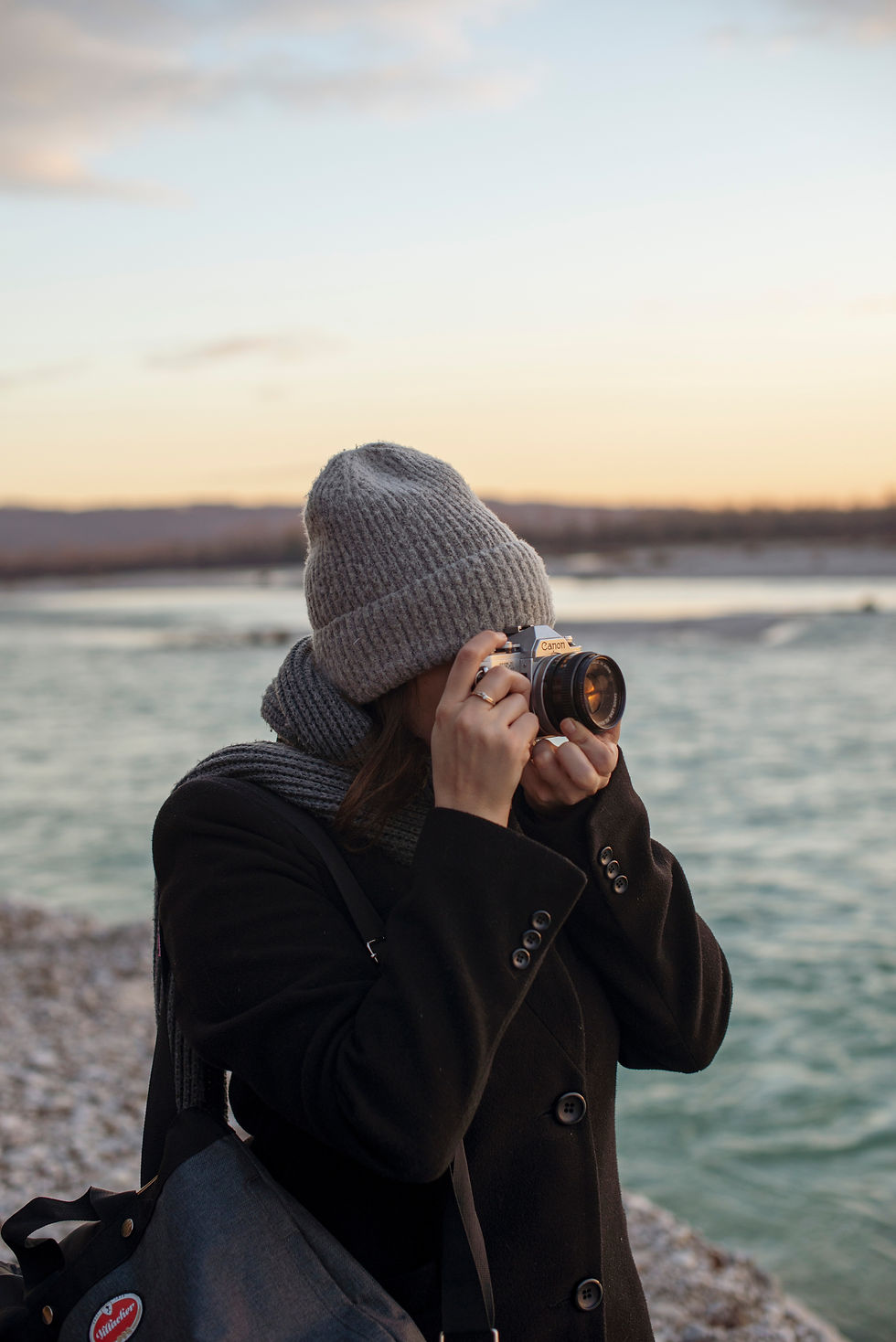
Best Times to Shoot During Shorter Days
Winter days are shorter, which means less daylight for photography. Planning your shoots around the best light is key.
Golden Hour lasts longer: In winter, the sun stays low, so the golden hour—the time just after sunrise and before sunset—can stretch for hours. This soft, warm light is perfect for portraits, landscapes, and cityscapes.
Aim for early morning or late afternoon: These times offer the most flattering natural light. The low sun creates long shadows and adds depth to your images.
Check sunrise and sunset times: Use apps or websites to track daylight hours. This helps you plan outings and avoid missing the best light.
Be ready for quick changes: Winter weather can shift fast. Clouds can roll in, or the sun can peek out unexpectedly. Keep your camera handy to capture sudden moments.
Using Soft Light from Cloudy Days
Cloudy days might seem gloomy, but they provide excellent lighting for photography.
Diffuse light reduces harsh shadows: Clouds act like a giant softbox, spreading light evenly. This is ideal for portraits and close-ups where harsh shadows can distract.
Capture mood and atmosphere: Overcast skies add a moody, quiet feeling to photos. This works well for winter landscapes, urban scenes, and still life.
Look for contrast and texture: Without strong sunlight, details like snow patterns, tree bark, and frost become more visible.
Adjust your camera settings: On cloudy days, increase your ISO slightly or open your aperture wider to let in more light without losing sharpness.
Making the Most of Christmas Lights in Photography
Festive lights add warmth and sparkle to winter photos. They create a magical atmosphere that’s perfect for storytelling.
Shoot during the blue hour: The time just after sunset, when the sky is deep blue but not fully dark, makes Christmas lights pop beautifully.
Use a tripod for stability: Low light means slower shutter speeds. A tripod helps avoid blur and keeps images sharp.
Experiment with bokeh: Use a wide aperture (small f-number) to blur the background lights into soft, glowing orbs. This adds a dreamy effect.
Include reflections: Look for wet streets, windows, or ornaments that reflect lights for added interest.
Try different angles and distances: Get close to individual lights or step back to capture entire decorated scenes.
Practical Tips for Winter Photography Gear and Settings
Winter conditions require some adjustments to your gear and camera settings.
Dress warmly and protect your equipment: Cold weather can drain batteries quickly. Carry spares and keep them warm in your pockets.
Use lens hoods and microfiber cloths: Prevent condensation and wipe away snow or moisture from your lens.
Shoot in RAW format: This gives you more flexibility in editing, especially with tricky winter light.
Adjust white balance: Snow can confuse your camera’s auto white balance. Try setting it manually or correct it in post-processing.
Use exposure compensation: Snow can fool your camera’s meter, causing underexposure. Increase exposure by +1 or +2 stops to keep snow bright and white.
Capturing the Spirit of Winter with Creativity
Winter photography is about more than just light and timing. It’s about telling a story and capturing feelings.
Focus on details: Frost patterns, icicles, and snowflakes make fascinating subjects.
Include people and pets: Show how winter affects daily life, from bundled-up children to dogs playing in the snow.
Play with contrasts: Combine warm indoor light with cold outdoor scenes for a cosy effect.
Use leading lines and framing: Snow-covered paths, fences, and branches guide the viewer’s eye through your photo.
Try black and white: Stripping colour can emphasise shapes, textures, and mood in winter scenes.
Join a Photography Course to Improve Your Winter Shots
Winter photography offers a chance to develop new skills and see the world differently. If you want to learn more about capturing the magic of winter light and festive scenes, consider joining a photography course. Courses provide hands-on guidance, feedback, and inspiration to help you grow as a photographer.
Join our online photography course now - filled with practical tips and challenges that can help you develop your photography skills whether you're using a DSLR or smartphone.
Whether you are a beginner or looking to refine your technique, a course can teach you how to:
Master exposure in low light
Use creative composition
Work with artificial and natural light
Edit photos for winter tones and mood
Explore local workshops or online classes to find one that fits your schedule and interests. Investing in your skills will make your winter photography more rewarding and enjoyable.


Comments